Non-linear sales funnel: how to apply it to your online course
Learn how to implement a non-linear funnel in your online course and increase your sales with Cademí's features.
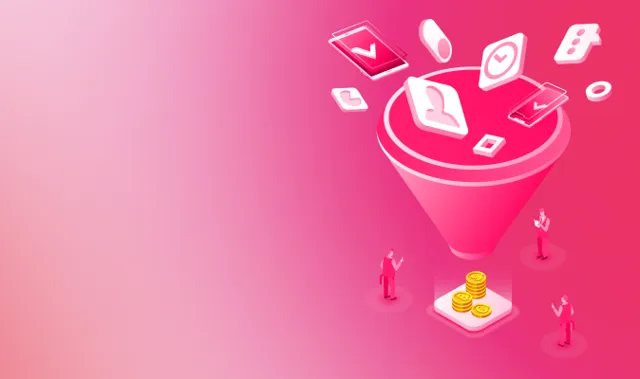
If you're a course creator, you've surely heard of the sales funnel.
So you already know how important it is to the sales strategy for your digital products. And you probably already use funnels in your business. But did you know there are different types of sales funnels?
In this article, we'll talk about the non-linear funnel and how it can be useful in your digital product business.
What's the difference between a traditional funnel and a non-linear one?
In a traditional sales funnel, the customer follows a sequential journey. In other words, they move through the top, middle, and bottom of the funnel until they make a purchase.
But in practice, the journey doesn't always happen that way. Sometimes the customer may skip stages or even go back in some of them. That's where the non-linear funnel comes in. In it, the customer journey is more flexible and personalized. So they can move forward or back according to their needs and interests.
Unlike the traditional funnel, here the digital product creator needs to be ready to deliver relevant content at every stage of the funnel, not just in the traditional order.
How do I apply a non-linear sales funnel to my online course?
Is it clear that using a non-linear funnel in an online course is an effective way to increase conversions while also giving students a better experience? Then it's time to apply it to your business. To do that, it's important to follow a few steps:
Define the funnel stages
First of all, you need to define the stages students should go through to complete the course. They can be divided by the topics covered or by the skills to be developed.
Personalize the content
One of the main benefits of this funnel model is the ability to personalize content to each student's needs and interests. To do that, you need to know your course's personas well and offer relevant content at every stage.
Offer different content formats
Besides personalizing the content, it's important to make it available in different formats to meet each student's preferences and needs. For example, some students may choose to watch videos, while others prefer to read text or take part in hands-on activities.
Use marketing automation
To manage a non-linear funnel efficiently, it's a good idea to use marketing automation tools. They let you segment students by the funnel stage they're in and send personalized, relevant content to each group.
Track performance
To make sure the non-linear funnel is working properly, it's important to track your digital product's performance and make adjustments as needed. You can use metrics like the conversion rate between funnel stages and the average course completion time to evaluate its efficiency.
Conclusion
Remember that the non-linear funnel isn't the only option for an online course. There are other sales funnel models that may be a better fit for your target audience and your online course's goals. It's important to choose the model that best fits the needs of your digital product business.
We hope this article has helped you better understand the non-linear funnel and how you can implement it in your online course. If you want flexibility and tools to make your digital product more personalized, check out the Cademí member area and significantly increase your online sales.